
Diabetes Care · Kuala Lumpur, Malaysia
Catch it early. Manage it well. Live a normal life.
Doctor-led screening, diagnosis, and long-term management of pre-diabetes and type 2 diabetes at Hisential Clinics. MMC-registered doctors, structured monitoring, evidence-based medication, and complication screening. Same-day appointments.
Type 2 diabetes is largely silent until complications appear. HbA1c is the only reliable indicator - symptoms are a late sign, not an early one.
- MMC-registered doctors
- KKM Licensed Clinic
- 4.9 · 750+ reviews
- Bangsar Shopping Centre
- 10am-8pm daily
- Personal health concierge

Quick Answer
Diabetes is one of the most common - and most consequential - chronic conditions in Malaysia, with a meaningful proportion of adults living with the disease and a significant share undiagnosed.1 At Hisential Clinics, our MMC-registered medical team deliver structured screening, diagnosis, and long-term management - combining HbA1c monitoring, evidence-based medication where indicated, lifestyle intervention, and annual complication screening. Pre-diabetes is often reversible; established diabetes is highly manageable. Same-day availability.
Verified by our medical team · Last reviewed 1 May 2026 · Next review 1 Nov 2026
Related conditions: Cardiac Care & Heart Screening in Malaysia, Medical Weight Loss in Malaysia, Erectile Dysfunction Treatment in Malaysia, and Comprehensive Health Screening in Malaysia.
Book in 60 seconds
Online booking or WhatsApp. Choose your preferred slot.
Diagnosis & baseline
HbA1c, fasting glucose, lipid profile, blood pressure, kidney function - completed in one visit.
Personalised plan
Coordinated by your personal health concierge end-to-end, with structured review at 3 months, 6 months, and annually.
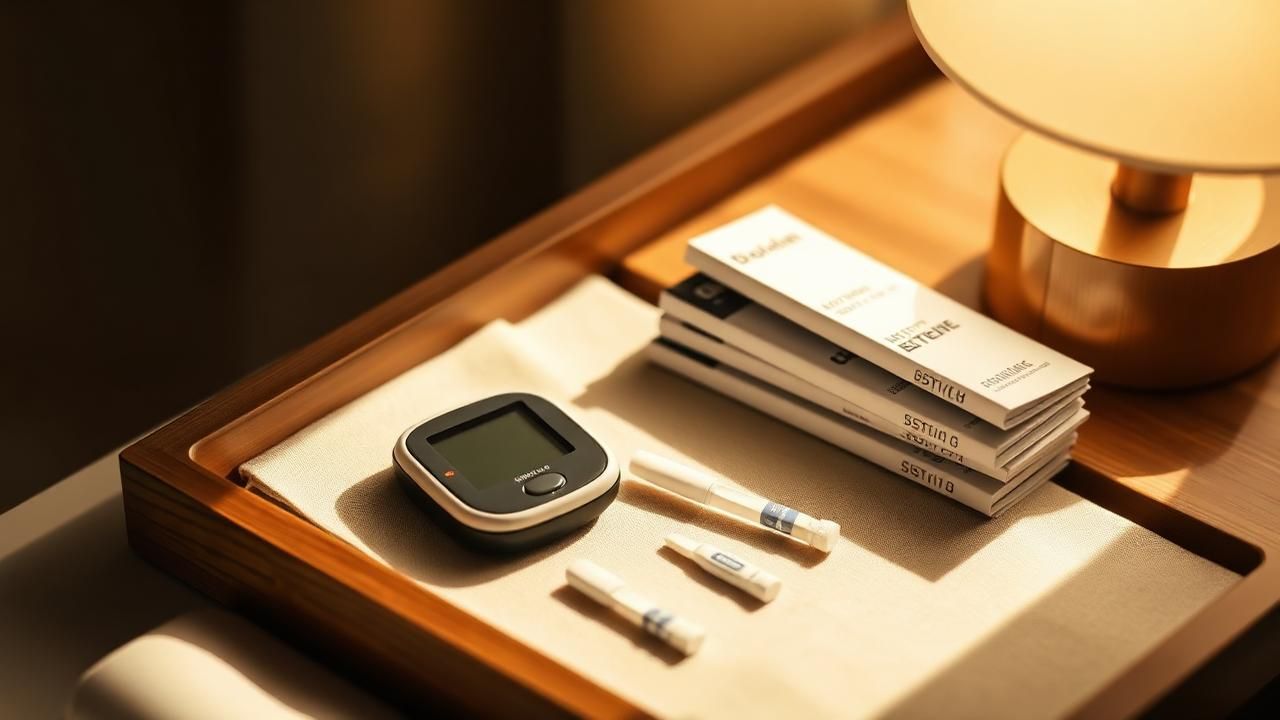
How we approach diabetes
Self-check
Should you be screened?
A confidential, 30-second self-check. If two or more apply, a single HbA1c test gives you a clear answer. Your responses stay on this device only.
This self-check is informational only. Diagnosis requires a clinical assessment and blood test.
Why people choose Hisential
Personal health concierge
One dedicated contact who coordinates your doctors, screening and follow-ups end-to-end.
MMC-registered doctors
Doctor-led chronic disease management, not a one-off lab printout.
Confidential by design
Discreet booking, private consultation rooms, encrypted records.
Same-day availability
Most consultations available within 5 working days, often sooner.

Diabetes is a chronic condition in which the body cannot regulate blood glucose effectively - either because the pancreas produces too little insulin, the body becomes resistant to insulin's effects, or both. The vast majority of cases in adults are type 2 diabetes, driven by insulin resistance and progressive beta-cell decline.
Diagnosis follows international guidelines:
- HbA1c ≥6.5% - reflects average blood sugar over 2-3 months
- Fasting plasma glucose ≥7.0 mmol/L
- Random plasma glucose ≥11.1 mmol/L with symptoms
- Oral glucose tolerance test in selected cases
A diagnosis is usually confirmed with a second test on a different day unless symptoms are unequivocal.
Pre-diabetes is HbA1c 5.7-6.4% (or fasting glucose 5.6-6.9 mmol/L) - a critical window where progression can often be reversed with structured lifestyle intervention. Without intervention, the majority of men with pre-diabetes progress to type 2 diabetes within 5-10 years.
The cost of poorly controlled diabetes is high: cardiovascular disease, kidney failure, vision loss, nerve damage, foot complications, sexual dysfunction. The cost of well-managed diabetes is dramatically lower - most complications are preventable, and many men live full, normal lives without significant impact.
Diabetes is also strongly linked to other organ systems through shared metabolic biology - which is why men with type 2 diabetes are also at elevated risk for Cardiac Care & Heart Screening in Malaysia, Erectile Dysfunction Treatment in Malaysia, and Testosterone Deficiency Treatment in Malaysia.
Malaysian Clinical Practice Guidelines recommend screening for:
- All adults aged 30 and over (every 3 years if normal)
- Adults at any age with family history, obesity (BMI ≥27.5 kg/m² for Asians), hypertension, dyslipidaemia, history of gestational diabetes (in female partners - relevant for shared lifestyle), or sedentary lifestyle
- Anyone with classical symptoms: increased thirst, frequent urination, unexplained weight loss, fatigue, slow-healing wounds, blurred vision
If you haven't been screened in the last 3 years, the right time is now.
Several persistent myths get in the way of good diabetes care, particularly among men who feel "fine":
- "I feel fine, so my sugar must be okay." Type 2 diabetes is largely silent until complications appear. HbA1c is the only reliable indicator; symptoms are a late sign, not an early one.
- "Once you're on diabetes medication, you're on it for life." Not always. Patients with newly diagnosed type 2 diabetes who achieve substantial weight loss and sustained lifestyle change can sometimes come off medication entirely.
- "Insulin means my diabetes is severe." Insulin is sometimes required temporarily (for example during infection or steroid use) and stopped when the situation resolves. It's also the right tool when the pancreas no longer produces enough insulin - not a moral failure.
- "Diabetes is just about sugar." Diabetes is a vascular and inflammatory disease as much as a glucose disease. Cardiovascular risk reduction, blood pressure control, lipid management, and weight optimisation matter as much as HbA1c.
- "Avoiding rice will cure my diabetes." Single-food avoidance rarely fixes underlying insulin resistance. Overall pattern, total energy balance, and physical activity matter more than any single food.
Before your visit. Your personal health concierge shares a brief intake form covering family history, current medications, prior glucose or HbA1c results, and any symptoms. Fasting instructions (10-12 hours, water allowed) are provided ahead of your appointment if blood work is needed.
During your visit. The consultation lasts 45-60 minutes. The doctor takes a focused history, performs cardiovascular and (where indicated) foot examination, measures blood pressure, BMI and waist circumference. Blood is drawn on-site for HbA1c, fasting glucose, lipid profile, creatinine/eGFR, liver function, and urine albumin-creatinine ratio.
Results. Laboratory results return within 2 working days. A dedicated results consultation walks through every finding in plain language - normal ranges, areas of concern, and the evidence behind any proposed intervention. Treatment options are framed in terms of expected benefit, realistic timelines, side-effect profile, and cost. There's no pressure to decide on the day.
After your visit. A clear written plan covers lifestyle priorities, any medication started, monitoring schedule, and the date of next review. Standard cadence is HbA1c every 3 months while titrating, every 6 months when stable, and annual complication screening. Teleconsultation is offered for routine follow-up where physical examination isn't required.
Confidentiality. Records are encrypted. Hisential does not share information with employers, family, or insurers without your explicit consent.
Approach in depth
HbA1c and fasting glucose miss the early disease. For 5-10 years before glucose rises, the pancreas compensates for insulin resistance by producing more insulin (hyperinsulinaemia) - so the standard two-number screen looks reassuring while real metabolic damage is accumulating.
Fasting insulin: a simple add-on to a fasting blood draw. Levels under ~10 µIU/mL (≈60 pmol/L) are generally favourable; values >12-15 µIU/mL suggest meaningful insulin resistance even when glucose is normal.
HOMA-IR = (fasting glucose mmol/L × fasting insulin µIU/mL) / 22.5. Interpretation: <1.0 optimal, 1.0-1.9 early resistance, ≥2.0 significant resistance, ≥2.9 commonly accompanies metabolic syndrome. A screening tool, not a gold standard - but it catches problems years before HbA1c moves.
OGTT with paired insulin: oral glucose tolerance test measuring both glucose and insulin at 0, 60 and 120 minutes. The most sensitive way to surface early hyperinsulinaemia and impaired glucose tolerance when fasting numbers look fine.
Cortisol testing: chronic stress, poor sleep, shift work and subclinical hypercortisolism all drive insulin resistance and visceral fat. Where the picture warrants it we screen with morning serum cortisol, late-night salivary cortisol, or 24-hour urinary free cortisol - whichever is the right tool for the question.
Useful adjuncts when indicated: HbA1c, fasting lipids with ApoB, hs-CRP, ALT/GGT for fatty liver, uric acid, SHBG and free testosterone (low SHBG and low free T track tightly with insulin resistance in men).
What the result changes: a targeted lifestyle programme with realistic timelines, earlier consideration of metformin or a GLP-1 where appropriate, and concrete sleep/cortisol interventions - not just 'come back in a year and retest your HbA1c'.
Lifestyle intervention is the foundation of diabetes care, not an afterthought. In motivated patients, structured changes to diet, physical activity, sleep, and weight produce HbA1c reductions of 0.5-1.5% - comparable to a starting medication dose.
Weight: a 5-10% reduction in body weight (particularly visceral fat) meaningfully shifts insulin sensitivity, HbA1c, blood pressure, and lipids. Larger reductions (10-15%) can put newly diagnosed type 2 diabetes into remission.
Diet: lower-glycaemic, higher-fibre, lower-ultra-processed eating patterns work - Mediterranean and Mediterranean-Asian patterns have the strongest evidence. Single-food avoidance rarely fixes underlying insulin resistance; overall pattern matters more.
Aerobic and resistance training: 150 minutes per week of moderate aerobic activity plus 2-3 weekly resistance sessions captures most of the metabolic benefit. Resistance training in particular improves muscle insulin sensitivity, which directly lowers HbA1c.
Sleep: 7-9 hours of quality sleep is broadly protective. Sleep apnoea - common in men with central adiposity - worsens insulin resistance and is worth screening for if there are clues (loud snoring, witnessed apnoeas, daytime fatigue).
The Diabetes Prevention Program and similar trials show structured lifestyle intervention reduces progression from pre-diabetes to type 2 diabetes by approximately 58% over 3 years.<sup>2</sup> The benefit extends well beyond glucose control.
Hisential's role: realistic targets, regular review, and integration with any medication. Your personal health concierge keeps the plan moving rather than letting it drift between consultations.
Oral medication is added when lifestyle alone isn't enough to reach the individualised HbA1c target - typically 6.5-7.0% for most non-frail adults, with looser targets in older patients or those at risk of hypoglycaemia.
Metformin: first-line for most type 2 diabetes. Improves insulin sensitivity, modestly lowers HbA1c (0.8-1.2%), is well-tolerated by most patients (GI side effects usually settle), and has decades of safety data. Affordable on the Malaysian formulary.
DPP-4 inhibitors (sitagliptin, linagliptin, vildagliptin): weight-neutral, low hypoglycaemia risk, modest HbA1c reduction. Useful add-on when metformin alone isn't enough.
Sulphonylureas (gliclazide, glimepiride): effective and inexpensive but carry hypoglycaemia risk and modest weight gain. Used selectively.
SGLT2 inhibitors (empagliflozin, dapagliflozin, canagliflozin): lower glucose, modest weight loss, with proven cardiovascular and kidney protection - particularly valuable in men with established cardiovascular disease, heart failure, or chronic kidney disease.
Pioglitazone: improves insulin sensitivity; useful in selected patients but with weight gain and fluid retention considerations.
Choice is individualised: weight, cardiovascular risk, kidney function, cost, and tolerability all matter. We discuss options honestly rather than prescribing reflexively to the newest molecule.
GLP-1 receptor agonists are among the most consequential additions to diabetes care in the past decade. They lower HbA1c, produce meaningful weight loss, and - for several molecules - reduce cardiovascular and kidney events independently of glucose control.
Common molecules: semaglutide (weekly injection or daily oral), liraglutide (daily injection), dulaglutide (weekly injection). Tirzepatide (GLP-1/GIP dual agonist) is newer and even more potent.
HbA1c reduction: typically 1.0-1.8% - among the strongest of any class outside insulin.
Weight loss: 5-15% body weight is realistic with semaglutide; tirzepatide can produce 15-20%+. These are clinically meaningful weight reductions, not cosmetic.
Cardiovascular and kidney protection: semaglutide, liraglutide, and dulaglutide have proven reductions in major cardiovascular events in trials of high-risk patients. SGLT2 inhibitors and GLP-1s are now preferred add-ons in men with established disease.
Side effects: nausea, vomiting, and altered appetite are common in the first weeks and usually settle with slow titration. Rare but serious considerations include pancreatitis and gallbladder issues; family history of medullary thyroid cancer is a contraindication.
Cost: GLP-1s are significantly more expensive than first-line oral medications. We're transparent about this. Where they're the right molecule for cardiovascular, kidney, or weight reasons, the cost is justified; where they're being considered reflexively for weight loss alone, we discuss alternatives honestly.
See weight loss for the parallel structured weight programme that pairs with these medications.
Most diabetes complications are preventable with structured screening and parallel risk-factor management. The goal of diabetes care isn't just a normal HbA1c - it's a normal life.
Eye screening: annual retinal photography to detect diabetic retinopathy. Early changes are usually asymptomatic; treatment is highly effective when caught early.
Kidney screening: annual urine albumin-creatinine ratio (uACR) and eGFR. Early microalbuminuria is reversible; intervention slows progression to advanced kidney disease.
Foot examination: annual sensation and vascular check; more frequent if neuropathy or peripheral arterial disease is established. Foot ulcers and amputation are preventable with structured foot care.
Cardiovascular: blood pressure target typically <130/80 mmHg, LDL cholesterol target depending on calculated risk. Diabetes doubles cardiovascular risk; coordinated management with cardiac care is part of the plan.
Sexual health: erectile dysfunction is common (up to 50% of men with diabetes) and responds to the same evidence-based treatments as in non-diabetic men. Don't suffer in silence - it's part of the conversation.
Hormonal: low testosterone is over-represented in men with type 2 diabetes and central obesity; structured assessment is straightforward. See testosterone deficiency.
Hisential's role: one care plan, one coordinator, one set of priorities - rather than fragmented appointments across multiple silos.
How Hisential approaches diabetes care
At Hisential, diabetes is treated as a multi-domain metabolic condition - not just a sugar number. Every patient receives individualised HbA1c targets, structured lifestyle support, evidence-based medication where indicated, and annual screening of eyes, kidneys, nerves, feet, and cardiovascular system. We choose medication for the right reason - first-line metformin for most, SGLT2 inhibitors and GLP-1 receptor agonists for men with cardiovascular or kidney disease or where weight is a priority - and we discuss benefits, costs, and limitations honestly rather than prescribing reflexively to the newest molecule. Where findings cross into Cardiac Care & Heart Screening in Malaysia, Medical Weight Loss in Malaysia, or Erectile Dysfunction Treatment in Malaysia, those tracks are integrated end-to-end by your personal health concierge - one care plan, one set of priorities.
Quick answers
Q:
Can pre-diabetes be reversed?
Often, yes - structured lifestyle intervention reduces progression to type 2 diabetes by ~58% over 3 years.2
Q:
Is metformin still first-line?
Yes for most newly diagnosed type 2 diabetes. Decades of safety data, modest cost, effective HbA1c reduction, and weight-neutral.
Q:
Should I be on a GLP-1?
Often appropriate when weight loss, cardiovascular protection, or kidney protection are priorities - but not reflexively for everyone. Suitability is assessed individually.
Q:
Do I really need an annual eye exam?
Yes - diabetic retinopathy is silent until advanced and highly treatable when caught early. Annual retinal screening is standard care.
Q:
What's the target HbA1c?
Commonly 6.5-7.0% for most non-frail adults, individualised in older patients or those at risk of hypoglycaemia.
Q:
Can type 2 diabetes really go into remission?
Yes, in well-selected patients - particularly within the first 6 years of diagnosis, with substantial weight loss and sustained lifestyle change.
Frequently asked questions
Clear answers, written by our clinical team. Tap any question for its direct permalink, or reach out to your Personal Concierge for anything else.
Diabetes is typically diagnosed by HbA1c (≥6.5%), fasting plasma glucose (≥7.0 mmol/L), or an oral glucose tolerance test. A diagnosis is usually confirmed with a second test on a different day unless symptoms are unequivocal. Your doctor will recommend the right test based on your symptoms and risk profile.
The most accessible workup is a fasting blood draw that measures both fasting glucose and fasting insulin - from which HOMA-IR is calculated. Where the picture is unclear, an oral glucose tolerance test (OGTT) with paired insulin measurements at 0, 60 and 120 minutes is the most sensitive way to surface early hyperinsulinaemia and impaired glucose tolerance. We arrange these at Hisential and interpret them in clinical context, not just against the lab's reference range.
HOMA-IR (Homeostatic Model Assessment of Insulin Resistance) is calculated as (fasting glucose mmol/L × fasting insulin µIU/mL) / 22.5. Under 1.0 is optimal; 1.0-1.9 suggests early insulin resistance; 2.0 or above is significant; 2.9+ commonly accompanies metabolic syndrome. It's a screening tool rather than a diagnostic gold standard, but it catches problems years before HbA1c moves.
Cortisol is the body's main stress hormone, and chronic elevation drives insulin resistance and visceral fat. Where there is stubborn central weight gain, hypertension, insomnia, shift work, or features suggesting hypercortisolism, we screen with morning serum cortisol, late-night salivary cortisol, or 24-hour urinary free cortisol - depending on the clinical question. Treating the cortisol/sleep/stress axis often unlocks weight loss and glucose control that diet alone could not.
Yes - and it's common. The pancreas compensates for insulin resistance by producing more insulin, sometimes for 5-10 years, before glucose (and HbA1c) drift upward. Fasting insulin and HOMA-IR detect this compensatory hyperinsulinaemia while there is still a clear window for full reversal through structured lifestyle change.
Pre-diabetes is HbA1c 5.7-6.4% (or fasting glucose 5.6-6.9 mmol/L) - elevated blood sugar that has not yet reached the diabetes threshold. With structured lifestyle intervention (weight loss, diet, exercise), pre-diabetes is often fully reversible. Without intervention, the majority progress to type 2 diabetes within 5-10 years.
In some patients, yes. Men with newly diagnosed type 2 diabetes who achieve substantial weight loss (often 10-15%) and sustained lifestyle change can sometimes come off medication entirely - this is now well-documented in remission studies, particularly within the first 6 years of diagnosis. It requires structure and follow-through, but it is real.
For established diabetes: HbA1c every 3 months while titrating treatment, every 6 months when stable. Annually: eye exam (retinal screening), kidney function (creatinine, eGFR, urine albumin-creatinine ratio), foot examination, lipid profile, and blood pressure review. Your Hisential doctor will set the right schedule for your case.
Self-monitoring of blood glucose (SMBG) is most useful for patients on insulin or sulphonylureas, those titrating new medication, during illness, or when symptoms suggest hypoglycaemia. For many stable type 2 patients on metformin alone, frequent finger-prick testing adds little; HbA1c every 3-6 months is the better metric. Your doctor will recommend a pattern that matches your treatment.
Yes - diabetes is a leading cause of erectile dysfunction in men, through both vascular damage to penile arteries and damage to the nerves required for the erectile response. Up to 50% of men with diabetes develop ED at some point. Good glycaemic control reduces this risk; see erectile dysfunction for the parallel workup.
GLP-1 receptor agonists are increasingly used in type 2 diabetes, particularly where weight loss, cardiovascular protection, or kidney protection are priorities alongside glucose control. They are not first-line for everyone, and they have specific side effects, contraindications, and costs. Suitability is assessed individually - we discuss benefits, costs, and limitations honestly rather than prescribing reflexively.
Three interventions consistently move HbA1c the most: a 5-10% reduction in body weight, 150+ minutes of moderate aerobic activity per week (ideally combined with 2 sessions of resistance training), and a shift towards a lower-glycaemic, higher-fibre, lower-ultra-processed eating pattern. In motivated patients, these can produce HbA1c reductions comparable to a starting medication dose.
Untreated or poorly controlled diabetes can cause cardiovascular disease, kidney failure, vision loss, nerve damage, foot ulcers and amputation, and increased infection risk. Most complications are preventable with good glycaemic control and regular monitoring - which is why structured follow-up matters more than any single number.
Yes, for stable patients on established treatment. Teleconsultation works well for medication review, results discussion, and lifestyle check-ins. In-person visits are recommended for clinical examination, foot checks, retinal screening, and any new symptoms.
Still have a question?
Your Personal Concierge replies within one business day - confidentially.
Glossary
- HbA1c
- Glycated haemoglobin - reflects average blood glucose over the previous 2-3 months. Used to diagnose and monitor diabetes and pre-diabetes.
- Pre-diabetes
- HbA1c 5.7-6.4% (or fasting glucose 5.6-6.9 mmol/L). A reversible window where structured lifestyle intervention prevents progression in most motivated patients.
- Type 2 diabetes
- Chronic condition characterised by insulin resistance and progressive beta-cell decline. Highly manageable with lifestyle and medication; sometimes reversible early in the disease.
- Insulin resistance
- Reduced response of muscle, liver, and fat to insulin. The central metabolic abnormality in type 2 diabetes; improved by weight loss, exercise, and several medication classes.
- GLP-1 receptor agonist
- Injectable (or oral) medication class that lowers glucose, reduces appetite, and produces meaningful weight loss. Examples: semaglutide, liraglutide, dulaglutide, tirzepatide.
- SGLT2 inhibitor
- Oral medication class that lowers glucose by increasing urinary glucose excretion. Also reduces cardiovascular events and slows kidney decline. Examples: empagliflozin, dapagliflozin.
- uACR
- Urine albumin-creatinine ratio - early marker of diabetic kidney disease. Elevated values are often reversible when treated early.
- Diabetic retinopathy
- Progressive damage to retinal blood vessels from chronic hyperglycaemia. Detected by annual retinal screening; highly treatable when caught early.
- Fasting insulin
- Blood insulin level after an overnight fast. Rises long before glucose does in early metabolic disease; values under ~10 µIU/mL are generally favourable.
- HOMA-IR
- Homeostatic Model Assessment of Insulin Resistance, calculated from fasting glucose and fasting insulin. Quantifies how resistant the body has become to insulin. <1.0 optimal, ≥2.0 significant resistance.
- OGTT with insulin
- Oral glucose tolerance test that measures both glucose and insulin response at 0, 60 and 120 minutes. The most sensitive test for early hyperinsulinaemia and impaired glucose tolerance.
- Hyperinsulinaemia
- Chronically elevated insulin levels, often present for 5-10 years before fasting glucose or HbA1c rise. The earliest measurable signal of type 2 diabetes risk.
- Cortisol
- The body's primary stress hormone. Chronic elevation - from stress, poor sleep, shift work or subclinical hypercortisolism - worsens insulin resistance and drives visceral fat.
Sources
- 1. Institute for Public Health, Ministry of Health Malaysia. National Health and Morbidity Survey (NHMS) - most recent national report on non-communicable diseases, consistently showing a significant prevalence of diabetes among Malaysian adults and a meaningful share undiagnosed.
- 2. Knowler WC et al. Reduction in the incidence of type 2 diabetes with lifestyle intervention or metformin (NEJM, 2002) - the Diabetes Prevention Program.
- 3. Lean MEJ et al. Primary care-led weight management for remission of type 2 diabetes (DiRECT): an open-label, cluster-randomised trial (Lancet, 2018).
- 4. Davies MJ et al. Management of hyperglycaemia in type 2 diabetes, 2022. A consensus report by the ADA and EASD (Diabetes Care, 2022).
- 5. Malaysian Clinical Practice Guidelines: Management of Type 2 Diabetes Mellitus (Ministry of Health Malaysia, current edition).

Ready to start?
Catch it early. Manage it well.
Speak with our medical team and your personal health concierge - same-day availability at Hisential Clinics.
Visit Hisential Clinics
Hisential Clinic Bangsar
Lot S122, 2nd Floor, Bangsar Shopping Centre,
285 Jalan Maarof, 59000 Kuala Lumpur, Malaysia
Phone: +60 3-8603 7220
WhatsApp: +60 12-841 3969
Hours: 10am-8pm daily
Parking: Bangsar Shopping Centre underground car park, validated for clinic visitors. Public transit: Damansara Heights LRT (10-min walk) or Bangsar LRT (taxi from station).
Related conditions and services
Cardiac care
Diabetes doubles cardiovascular risk - managed in parallel, not in silos.
Weight loss
Structured weight reduction - the most consequential intervention in type 2 diabetes.
Erectile dysfunction
Up to half of men with diabetes develop ED - fully addressable as part of the same plan.
Comprehensive health screening
Whole-system baseline including HbA1c, cardiovascular markers, and more.
Medically reviewed by Dr. Kishen Sivakumar, MBBS (IMU), 11+ yrs Internal Medicine
Last reviewed 1 May 2026 · Next review 1 November 2026